Transformer repair and rewinding About
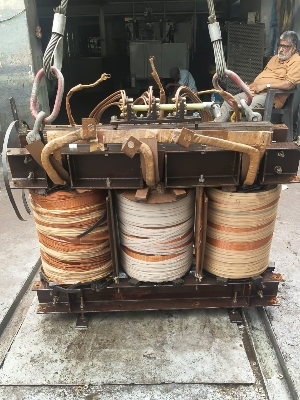
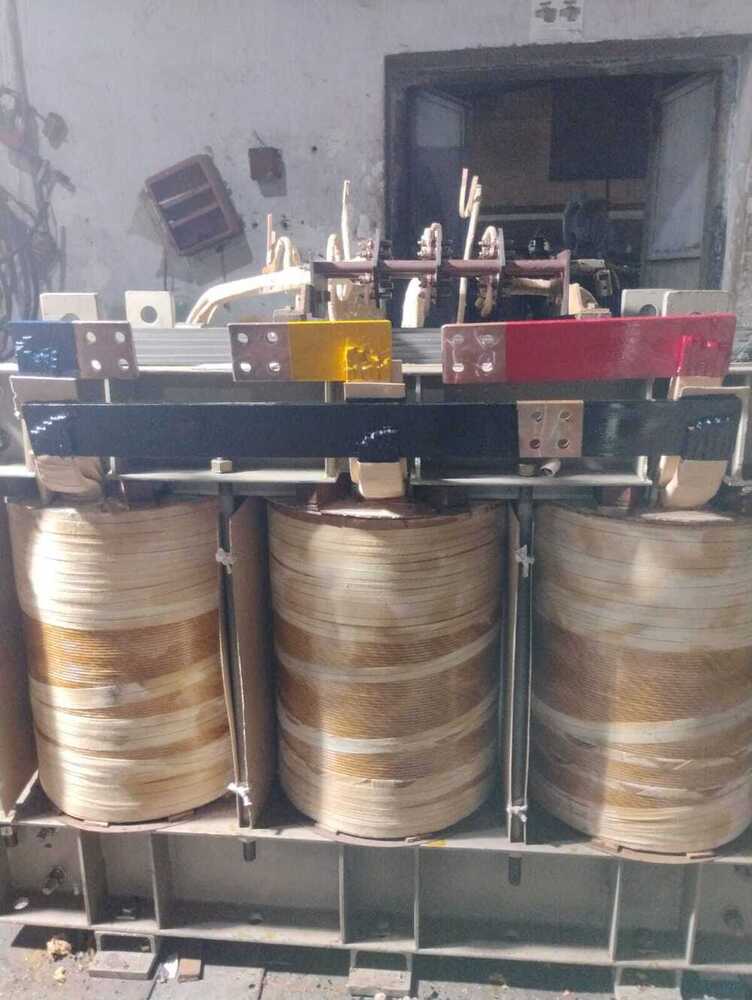
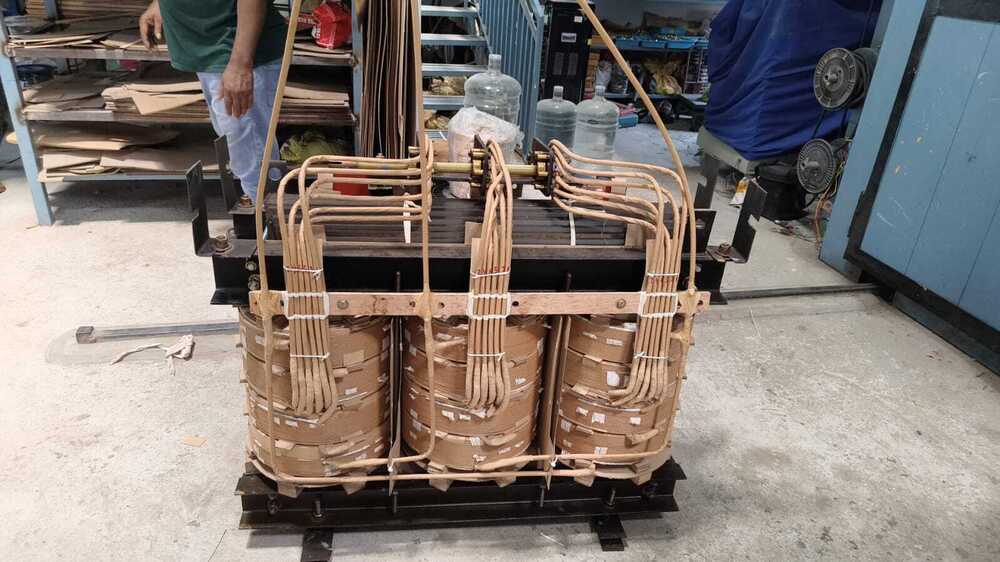
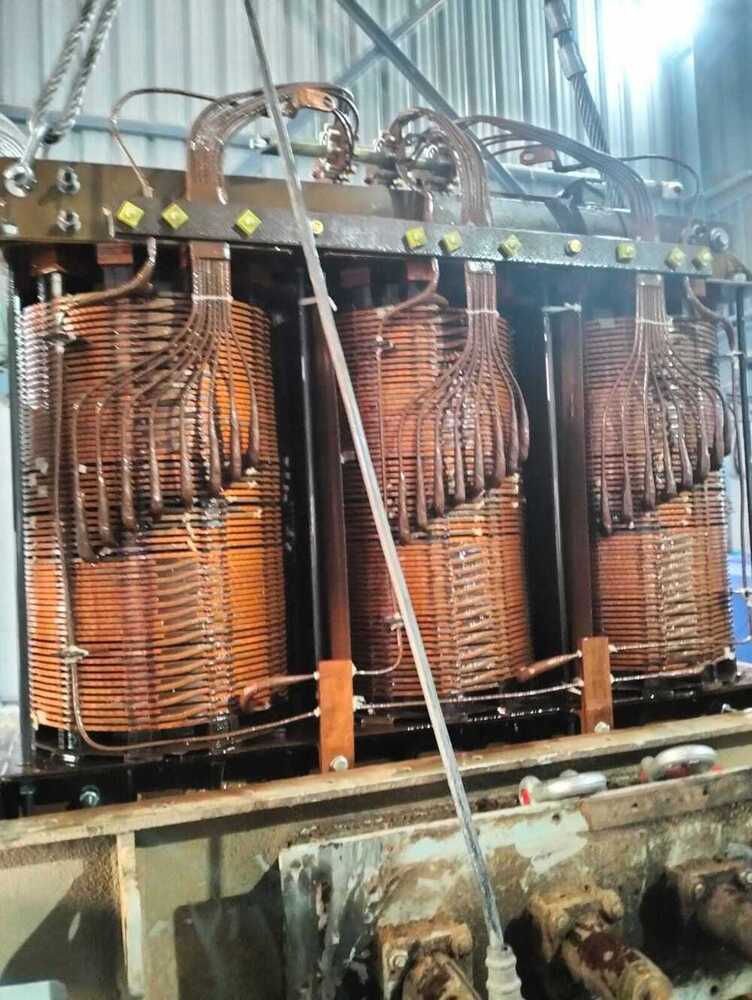
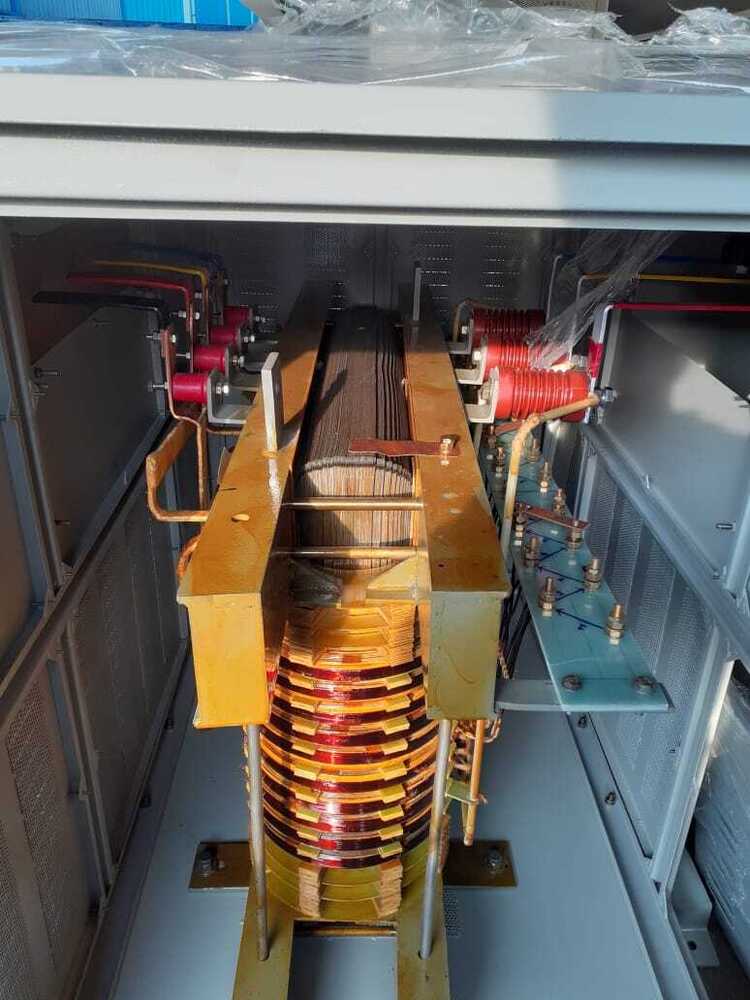
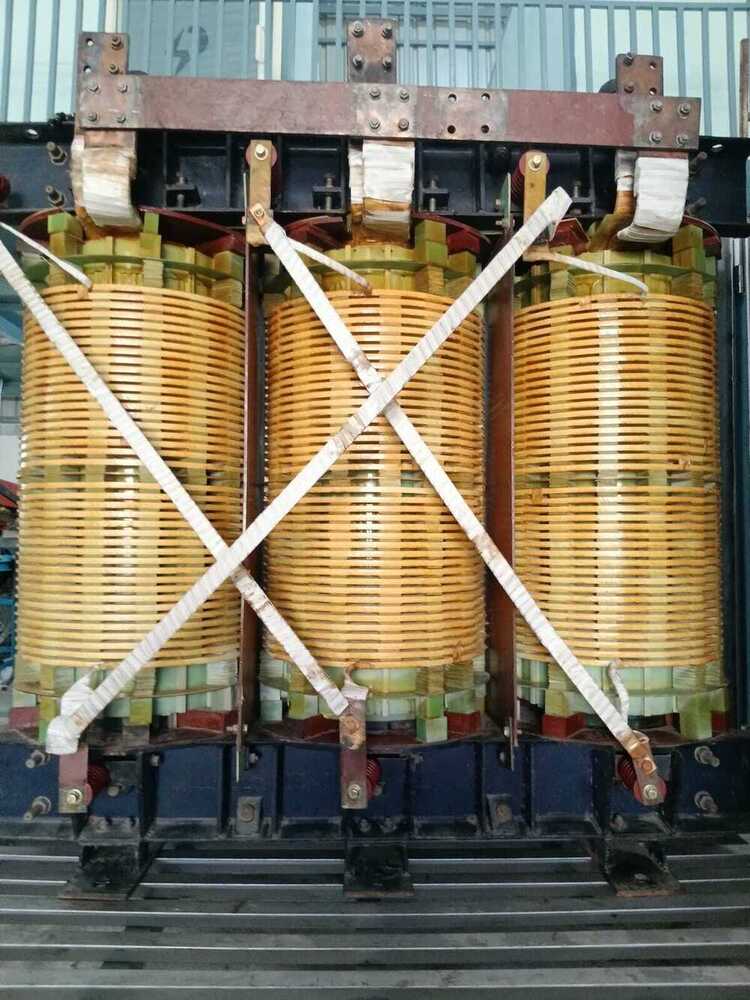
Transformer repair and rewinding is the process of fixing broken electrical coils inside a transformer. Technicians take apart the unit, remove burnt or damaged copper or aluminum wire, clean the steel core, and wrap new insulated wire to restore power efficiency and save money over buying a new unit.
State-of-the-Art Transformer RewindingWe specialize in rewinding transformers with precision, accommodating varied coil structures such as toroidal and layer-wound designs. Our experienced technicians work with power ratings from 25 kVA up to 5000 kVA, ensuring winding resistance tolerance within 5%. Every project is completed with strict adherence to IS/IEC standards and undergoes thorough type and routine testing.
Comprehensive Repair & Upgrade SolutionsOur process involves detailed diagnostics, core and coil inspection, high-purity copper or aluminum rewinding, and meticulous dielectric tests above 35 kV. Floor-mounted units can be restored to original or enhanced specifications, including impedance voltage up to 6%, and ultra-low noise levels below 65 dB for smooth and quiet operations.
Durable and Custom-Fit for Every RequirementWe apply anti-corrosive enamel coatings to ensure strength against harsh environments. Each transformer repair is custom-built to suit the precise dimensional, voltage, and efficiency requirements of our clients, with mounting and cooling systems tailored for the application. Compliance with IS 2026 and IEC 60076 ensures reliability and industry-standard performance.
FAQ's of Transformer repair and rewinding:
Q: How is the transformer rewinding process performed to ensure quality and reliability?
A: The rewinding process begins with thorough inspection and core lamination checks. We remove existing windings, select suitable insulation (Class A, B, or F), and wind high-purity copper or aluminum wire with precision. All windings are tested for dielectric strength above 35 kV, and resistance tolerance is kept within 5%. The entire process conforms to IS 2026 and IEC 60076 standards to guarantee reliability and safety.
Q: What types of transformers can be serviced with your repair and rewinding solutions?
A: We service single-phase and three-phase transformers (up to 5000 kVA) with core types including CRGO and Amorphous. Both ONAN and ONAF cooling types are supported, and we handle custom voltages up to 33 kV. Our rewinding and repair services are suitable for industrial, commercial, and infrastructure applications.
Q: When should a transformer be considered for repair and rewinding instead of replacement?
A: A transformer should be considered for repair and rewinding when experiencing performance loss, insulation breakdown, unusually high noise, or failed routine/type tests. Timely servicing extends equipment life and saves significant costs compared to full replacement. We recommend periodic checks and prompt servicing when load losses or temperature issues are detected.
Q: Where are your transformer repair and rewinding services available, and do you offer on-site support?
A: We supply transformer repair and rewinding services to industries, utilities, and commercial clients across various regions. On-site assessment and minor repairs can be arranged, while major rewinding and refurbishments are completed at our specialized facility, equipped with advanced tools and compliance testing systems.
Q: What quality assurances and tests are conducted after rewinding a transformer?
A: After rewinding, each transformer undergoes dielectric strength testing (above 35 kV), winding resistance verification (within 5% tolerance), routine and type tests as per IS/IEC standards, and load loss assessment (1-3% as per rating). We also inspect and test for noise (below 65 dB) and confirm the integrity of anti-corrosive enamel coatings.
Q: What are the key benefits of choosing professional transformer repair and rewinding services?
A: Opting for professional repair and rewinding extends transformer life, enhances efficiency (up to 98%), reduces operational downtime, and ensures compliance with IS 2026 and IEC 60076. It also enables customized upgrades in insulation, voltage, and mounting, offering cost-effective, sustainable solutions without the expense of purchasing new equipment.




 Send Inquiry

 Send Inquiry
 Send Inquiry
 Send SMS
 Call Me Free